
Nazam Timing in Ramzan – A Guide for Nightly Recitations
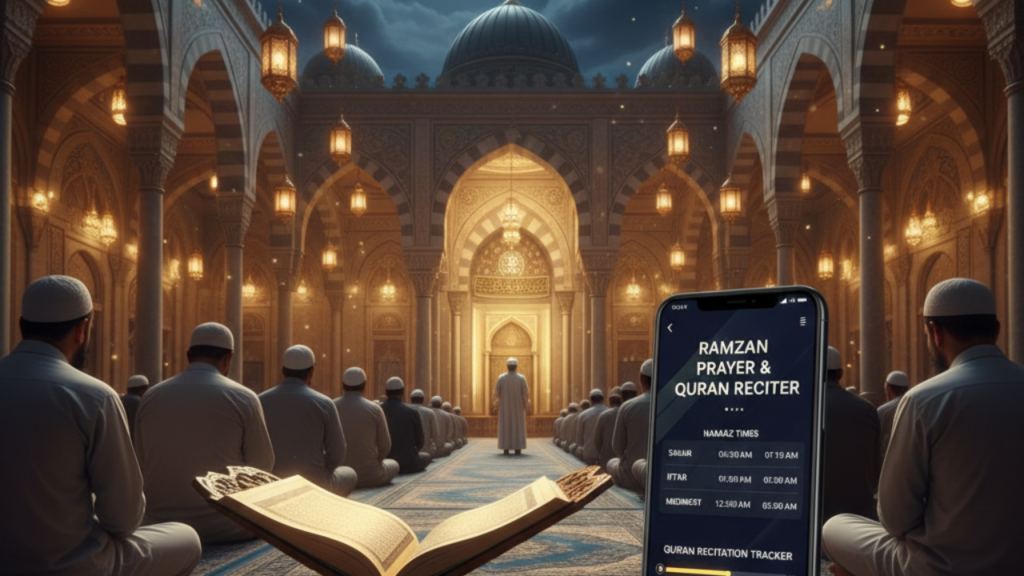
Ramzan-ul-Mubarak is the most spiritually enriching month in the Islamic calendar, a time when hearts turn toward Allah, sins are forgiven, and rewards are multiplied many times over. Among the most important acts of worship during this sacred month is Namaz (Salah). Observing Namaz timing in Ramzan with devotion and punctuality strengthens faith, brings inner peace, and deepens one’s connection with the Quran.
Read More: Iman Ki Sifaat in Quran – Spiritual Lessons from Divine VersesIn Ramzan, the importance of nightly prayers, including Isha, Taraweeh, Tahajjud, and Witr, increases immensely. Muslims across the world organize their daily routines around Sehri, Iftar, and Namaz timings, ensuring that worship remains the center of life throughout the blessed month.
This complete guide explains Namaz timing in Ramzan, its spiritual significance, and how to make the most of nightly prayers during this holy month.
Importance of Namaz in Ramzan
Namaz is the second pillar of Islam and a direct link between a believer and Allah. During Ramzan, every good deed is rewarded manifold, making punctual Salah even more valuable.
Allah says in the Quran:
“Indeed, prayer prohibits immorality and wrongdoing.”
(Surah Al-Ankabut 29:45)
In Ramzan, Namaz:
Purifies the soul
Strengthens self-discipline
Enhances humility and patience
Increases closeness to Allah
Offering prayers on time during fasting hours and especially at night transforms Ramzan into a month of true spiritual growth.
Five Daily Namaz Timings in Ramzan
Although the five daily prayers remain the same throughout the year, Ramzan routines make their observance even more structured.
1. Fajr (Before Sehri Ends)
Fajr is performed before dawn and marks the beginning of the fast. Waking up for Fajr in Ramzan carries immense reward, especially when combined with Sehri.
Tip:
Recite Quran after Fajr to begin the day with blessings.
2. Zuhr (Midday Prayer)
Zuhr is prayed after the sun passes its zenith. During Ramzan, Zuhr provides spiritual refreshment while fasting.
Tip:
Short Quran recitation after Zuhr increases focus and patience.
3. Asr (Late Afternoon Prayer)
Asr is a crucial prayer, especially while fasting, as energy levels are low.
Tip:
Make dua after Asr, as it is a spiritually receptive time.
4. Maghrib (At Iftar Time)
Maghrib is offered immediately after sunset and breaks the fast.
Tip:
Break the fast with dates and water, make dua, then pray Maghrib calmly.
5. Isha (Night Prayer)
Isha is the gateway to Taraweeh, making it one of the most significant prayers in Ramzan nights.
Taraweeh – The Heart of Ramzan Nights
Taraweeh is a special nightly prayer offered after Isha during Ramzan. It is a Sunnah Mu’akkadah and a beloved practice of the Prophet Muhammad ﷺ.
Why Taraweeh Is Special
Quran is recited extensively
Congregational worship strengthens unity
Rewards are multiplied
Forgiveness of past sins is promised
“Whoever stands (in prayer) in Ramzan with faith and hope for reward, his previous sins will be forgiven.”
(Bukhari & Muslim)
Offering Taraweeh on time every night builds spiritual consistency throughout Ramzan.
Tahajjud – The Night Prayer of the Righteous
Tahajjud is prayed in the last third of the night and holds extraordinary value in Ramzan.
Best Time for Tahajjud
After sleep
Before Sehri
Especially during the last 10 nights
Tahajjud in Ramzan:
Brings closeness to Allah
Opens doors of acceptance
Is strongly linked to Laylat-ul-Qadr
Witr Prayer – Completing the Night Worship
Witr is an essential prayer offered after Isha or Tahajjud. It completes nightly worship in Ramzan.
Tip:
If you plan Tahajjud, pray Witr after it.
Laylat-ul-Qadr and Nightly Namaz
Laylat-ul-Qadr, the Night of Power, falls within the last ten nights of Ramzan.
“Laylat-ul-Qadr is better than a thousand months.”
(Surah Al-Qadr)
On this night:
Offer extra Nawafil
Prolong Sujood
Increase Quran recitation
Make heartfelt dua
Namaz performed on this night carries rewards greater than worship of a lifetime.
Organizing Your Ramzan Namaz Schedule
A well-planned routine helps maintain consistency.
Sample Night Routine
Maghrib – At Iftar
Isha – After dinner
Taraweeh – Mosque or home
Quran recitation
Short rest
Tahajjud – Before Sehri
Witr
Fajr – Begin fast
Role of Quran with Namaz in Ramzan
Ramzan is the month of the Quran. Pairing Namaz with Quran recitation enhances spiritual impact.
Using Taj Company Qurans, including:
makes recitation easier and more engaging during long Ramzan nights.
Benefits of Offering Namaz on Time in Ramzan
Increased reward
Spiritual discipline
Inner peace
Stronger faith
Protection from sins
Namaz during Ramzan is not just worship—it is spiritual transformation.
Conclusion
Namaz timing in Ramzan is the foundation of a spiritually successful Ramadan. From Fajr to Isha, Taraweeh to Tahajjud, each prayer adds light to the heart and reward to the soul. By organizing nightly prayers and dedicating time to worship, believers can fully experience the blessings of Ramzan-ul-Mubarak.
May Allah grant us the ability to observe every Namaz on time and accept our prayers in this blessed month. Ameen.