
Celebrating the Birth of Hasan al-Askari (RA) on 8 or 10 Rabi al-Thani: A Beacon of Light
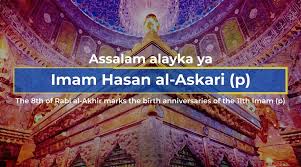
Hasan al-Askari (RA): A Brief Biography
Hasan al-Askari (RA) was born on the 8th or 10th of Rabi al-Thani in the year 232 AH (approximately 845-846 CE) in the city of Samarra, located in modern-day Iraq. He was the son of Imam Ali al-Hadi (RA), also known as Imam al-Naqi, and Lady Samana al-Maghribiyya. From an early age, Imam Hasan al-Askari displayed exceptional piety, knowledge, and devotion to God.As the 11th Imam of Twelver Shia Islam, Imam Hasan al-Askari (RA) assumed the role of spiritual leadership within the Shia Muslim community following the death of his father, Imam al-Hadi (RA). His imamate was marked by challenging political circumstances, as the Abbasid caliphs of the time subjected the Shia community to various forms of persecution and oppression.Read More: Fatimah bint Musa (RA) Life & Legacy | 10–12 Rabi al-ThaniContributions and Legacy
Despite the constraints imposed on him, Imam Hasan al-Askari (RA) made significant contributions to Islamic scholarship, spirituality, and community support. His life and legacy are characterized by several key aspects:- Propagation of Knowledge:Imam Hasan al-Askari (RA) emphasized the importance of acquiring knowledge and understanding religious teachings. He encouraged his followers to seek knowledge in various fields, including theology, jurisprudence, and the sciences.
- Spiritual Guidance:As a spiritual leader, Imam Hasan al-Askari (RA) provided profound guidance on matters of faith, morality, and piety. He stressed the significance of maintaining a strong connection with God through acts of worship, prayer, and self-purification.
- Community Support:Imam Hasan al-Askari (RA) continued the tradition of his predecessors by supporting the Shia Muslim community, particularly in times of need. He provided assistance to the needy and was known for his compassion, generosity, and concern for the well-being of his followers.
- Concealment of Imam Al-Mahdi (AS):One of the most significant aspects of Imam Hasan al-Askari’s (RA) life was the concealment of his son, Imam Muhammad al-Mahdi (AS). Shia Muslims believe that Imam al-Mahdi (AS) is the twelfth and final Imam, often referred to as the Hidden Imam, who will reappear as the savior and guide humanity toward justice and righteousness.
- Spiritual Guidance:His teachings on spirituality, piety, and ethical conduct continue to guide Shia Muslims in their daily lives. His emphasis on prayer, humility, and the pursuit of knowledge serves as a source of inspiration and moral guidance.
- Belief in Imam Al-Mahdi (AS):The belief in the Hidden Imam, Imam Muhammad al-Mahdi (AS), remains a central tenet of Twelver Shia Islam. Devotees await his return as the long-awaited savior who will bring justice and righteousness to the world.
- Cultural and Religious Practices:The commemoration of Imam Hasan al-Askari’s (RA) birth strengthens the spiritual bond among Shia communities around the world. It is a time for reflection, prayer, and gatherings that reinforce faith and unity.
- Scholarly Legacy:Imam Hasan al-Askari’s (RA) contributions to Islamic scholarship, particularly in the fields of theology and jurisprudence, continue to influence Shia scholars and theologians. His scholarly approach and wisdom continue to shape Islamic thought.
Conclusion
The celebration of the birth of Hasan al-Askari (RA) on the 8th or 10th of Rabi al-Thani is a moment of deep spiritual significance for Twelver Shia Muslims. His life was marked by devotion, knowledge, and a commitment to serving his community, even in the face of adversity. As Shia communities around the world commemorate this auspicious occasion, they reflect on the enduring impact of Imam Hasan al-Askari’s (RA) legacy on their faith, spirituality, and way of life. His teachings and principles continue to serve as a guiding light, inspiring believers to lead lives of piety, knowledge, and compassion.Read More: Remembering Habib Abu Bakr al-Haddad: A Beacon of Islamic Spirituality on 15 Rabi al-Thaniعنوان: 8 یا 10 ربیع الثانی کو حسن العسکری رضی اللہ عنہ کی ولادت کا جشن منانا: روشنی کا ایک کرن
تعارف
ربیع الثانی کی 8 یا 10 تاریخ کو، عالم اسلام ایک قابل احترام شخصیت، حسن العسکری (رضی اللہ عنہ) کی ولادت کی یاد مناتی ہے۔ بارہویں شیعہ اسلام میں گیارہویں امام کے طور پر، ان کی ولادت کو انتہائی عقیدت اور عقیدت کے ساتھ منایا جاتا ہے۔ اس بلاگ پوسٹ میں، ہم حسن العسکری (رح) کی زندگی اور اہمیت کا جائزہ لیں گے، اسلامی اسکالرشپ اور روحانیت میں ان کے تعاون اور شیعہ مسلم کمیونٹی پر ان کی میراث کے دیرپا اثرات کا جائزہ لیں گے۔
حسن العسکری رضی اللہ عنہ: ایک مختصر سیرت
حسن العسکری (رح) کی ولادت 8 یا 10 ربیع الثانی سنہ 232 ہجری (تقریباً 845-846 عیسوی) کو سامرا شہر میں ہوئی جو کہ جدید عراق میں واقع ہے۔ وہ امام علی الہدی رضی اللہ عنہ کے بیٹے تھے، جنہیں امام النقی بھی کہا جاتا ہے، اور خاتون سمانہ المغربیہ۔ بچپن ہی سے امام حسن عسکری نے غیر معمولی تقویٰ، علم اور خدا سے عقیدت کا مظاہرہ کیا۔
بارہویں شیعہ اسلام کے 11ویں امام کے طور پر، امام حسن العسکری (رح) نے اپنے والد امام الہدی (رح) کی وفات کے بعد شیعہ مسلم کمیونٹی کے اندر روحانی قیادت کا کردار سنبھالا۔ ان کی امامت کو چیلنجنگ سیاسی حالات نے نشان زد کیا، کیونکہ اس وقت کے عباسی خلفاء نے شیعہ برادری کو مختلف قسم کے ظلم و ستم کا نشانہ بنایا۔
شراکتیں اور میراث
ان پر عائد پابندیوں کے باوجود امام حسن العسکری (رح) نے اسلامی اسکالرشپ، روحانیت اور کمیونٹی کی حمایت میں اہم کردار ادا کیا۔ ان کی زندگی اور میراث کئی اہم پہلوؤں سے متصف ہے:
علم کی ترویج: امام حسن عسکری علیہ السلام نے علم حاصل کرنے اور دینی تعلیمات کو سمجھنے کی اہمیت پر زور دیا۔ اس نے اپنے پیروکاروں کو مختلف شعبوں میں علم حاصل کرنے کی ترغیب دی، جن میں الہیات، فقہ اور علوم شامل ہیں۔
روحانی رہنمائی: ایک روحانی پیشوا کے طور پر امام حسن عسکری علیہ السلام نے ایمان، اخلاق اور تقویٰ کے معاملات میں گہرائی سے رہنمائی فراہم کی۔ اس نے عبادت، نماز اور تزکیہ نفس کے ذریعے خدا کے ساتھ مضبوط تعلق قائم رکھنے کی اہمیت پر زور دیا۔
برادری کی حمایت: امام حسن عسکری علیہ السلام نے اپنے پیشروؤں کی روایت کو جاری رکھا اور خاص طور پر ضرورت کے وقت شیعہ مسلمانوں کی حمایت کی۔ اس نے ضرورت مندوں کو مدد فراہم کی اور اپنی ہمدردی، سخاوت اور اپنے پیروکاروں کی فلاح و بہبود کی فکر کے لیے جانا جاتا تھا۔
امام مہدی علیہ السلام کی پردہ پوشی: امام حسن عسکری علیہ السلام کی زندگی کے اہم ترین پہلوؤں میں سے ایک ان کے فرزند امام محمد المہدی علیہ السلام کی پردہ پوشی تھی۔ شیعہ مسلمانوں کا عقیدہ ہے کہ امام المہدی علیہ السلام بارہویں اور آخری امام ہیں، جنہیں اکثر پوشیدہ امام کہا جاتا ہے، جو نجات دہندہ کے طور پر دوبارہ ظاہر ہوں گے اور انسانیت کو عدل و انصاف کی طرف رہنمائی کریں گے۔
امام حسن عسکری (رح) کی میراث بارہویں شیعہ مسلم کمیونٹی میں مختلف طریقوں سے پائی جاتی ہے:
روحانی رہنمائی: روحانیت، تقویٰ اور اخلاقی طرز عمل پر ان کی تعلیمات شیعہ مسلمانوں کی روزمرہ زندگی میں رہنمائی کرتی رہیں۔ دعا، عاجزی، اور علم کے حصول پر اس کا زور تحریک اور اخلاقی رہنمائی کا ذریعہ ہے۔
امام مہدی (ع) پر عقیدہ: پوشیدہ امام، امام محمد المہدی (ع) کا عقیدہ بارہویں شیعہ اسلام کا ایک مرکزی اصول ہے۔ عقیدت مند اس کی واپسی کا انتظار کر رہے ہیں جس کا طویل انتظار کیا گیا نجات دہندہ ہے جو دنیا میں انصاف اور راستبازی لائے گا۔
ثقافتی اور مذہبی رسومات: امام حسن عسکری (رح) کی ولادت کی یاد دنیا بھر میں شیعہ برادریوں کے درمیان روحانی رشتہ کو مضبوط کرتی ہے۔ یہ غور و فکر، دعا اور اجتماعات کا وقت ہے جو ایمان اور اتحاد کو تقویت دیتے ہیں۔
علمی وراثت: امام حسن عسکری (رح) کی اسلامی اسکالرشپ میں شراکتیں، خاص طور پر دینیات اور فقہ کے شعبوں میں، شیعہ علماء اور ماہرین الہیات کو متاثر کرتی رہتی ہیں۔ ان کا علمی نقطہ نظر اور حکمت اسلامی فکر کی تشکیل جاری رکھے ہوئے ہے۔



English Maariful Quran Volume 4 by Mufti Muhammad Shafi Usmani (R.A.) – English Translation and Tafseer Book Cover
English Maariful Quran Volume 4 – Tafseer by Mufti Muhammad Shafi Usmani (R.A.)
Read more