
Ramadan: The Month of Spiritual Transformation – Significance and Fazilat
Introduction:
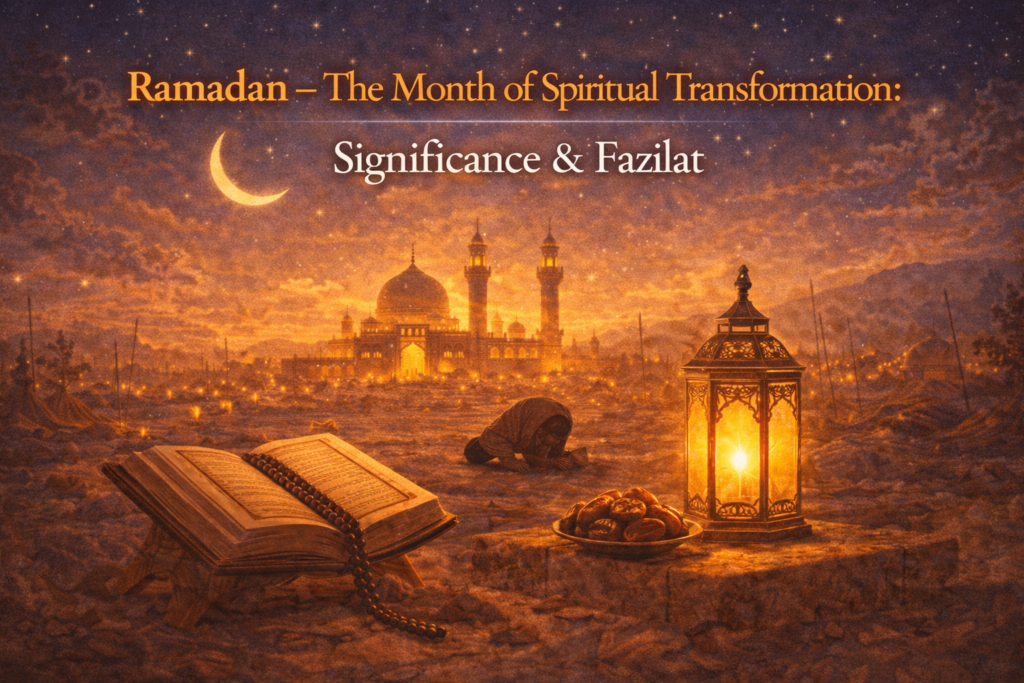
Ramadan, the ninth month of the Islamic lunar calendar, is a time of profound significance and spiritual intensity for Muslims across the globe. It is a month of fasting, prayer, reflection, and self-purification. In this SEO-friendly blog, we will explore the importance of Ramadan and the fazilat (virtues) associated with this sacred month, helping us understand why it holds such a central place in the Islamic calendar.
Read More: Chehlum of Hussain ibn Ali (RA): Sacrifice & Resilience
Significance of Ramadan:
- The Month of the Quran: Ramadan is the month in which the Quran, the holy book of Islam, was first revealed to the Prophet Muhammad (peace be upon him). It is a time when Muslims focus on the recitation, study, and reflection upon the Quranic teachings.
- Fasting as Worship: Fasting during Ramadan is one of the Five Pillars of Islam. It involves abstaining from food, drink, and other physical needs from dawn (Fajr) until sunset (Maghrib). This act of worship helps Muslims cultivate self-discipline, empathy for the less fortunate, and spiritual growth.
- Night of Decree (Laylat al-Qadr): One of the odd-numbered nights in the last ten days of Ramadan is believed to be Laylat al-Qadr, the Night of Decree. It is a night when the Quran was first revealed and is considered the most spiritually potent night of the year. Muslims engage in intense prayer and supplication during this time.
Fazilat (Virtue) of Ramadan:
- Fasting: Fasting during Ramadan is obligatory for all adult Muslims, with exceptions for the sick, pregnant or nursing women, travelers, and young children. It is not only an act of obedience but also a means of spiritual purification, self-control, and drawing closer to Allah.
- Increased Worship: Ramadan encourages Muslims to increase their acts of worship, including extra prayers (Taraweeh), reading and recitation of the Quran, and engaging in dhikr (remembrance of Allah). It is a time to strengthen one’s connection with the Divine.
- Charity and Generosity: Muslims are encouraged to be generous and engage in acts of charity (Zakat and Sadaqah) during Ramadan. It is a time to give to the less fortunate and help those in need, fostering empathy and compassion.
- Seeking Forgiveness: Ramadan is an opportunity for Muslims to seek forgiveness for their sins and strive for a clean slate. Laylat al-Qadr, in particular, is believed to be a night when Allah’s mercy and forgiveness are abundant.
The Legacy of Ramadan:
In conclusion, Ramadan is a sacred and spiritually enriching month that plays a central role in the lives of Muslims. It is a time of fasting, prayer, reflection, and self-purification. By observing fasting, increasing acts of worship, practicing charity, and seeking forgiveness, Muslims aim to draw closer to Allah and cultivate their faith. Just as the Quran was revealed during this month, Ramadan offers an opportunity for Muslims to reveal their best selves, fostering a deeper connection with their Creator and transforming their lives for the better.
عنوان: رمضان المبارک: روحانی تبدیلی کا مہینہ۔ اہمیت اور فضیلت
تعارف:
رمضان، اسلامی قمری تقویم کا نواں مہینہ، پوری دنیا کے مسلمانوں کے لیے گہری اہمیت اور روحانی شدت کا وقت ہے۔ یہ روزے، نماز، غور و فکر اور تزکیہ نفس کا مہینہ ہے۔ SEO کے لیے دوستانہ اس بلاگ میں، ہم رمضان کی اہمیت اور اس مقدس مہینے سے وابستہ فضیلتیں دریافت کریں گے، یہ سمجھنے میں ہماری مدد کریں گے کہ اسلامی کیلنڈر میں اس کا اتنا مرکزی مقام کیوں ہے۔
رمضان المبارک کی اہمیت:
قرآن کا مہینہ: رمضان وہ مہینہ ہے جس میں اسلام کی مقدس کتاب قرآن سب سے پہلے حضرت محمد صلی اللہ علیہ وسلم پر نازل ہوا۔ یہ وہ وقت ہے جب مسلمان قرآنی تعلیمات پر تلاوت، مطالعہ اور غور و فکر پر توجہ دیتے ہیں۔
عبادت کے طور پر روزہ: رمضان کے دوران روزہ اسلام کے پانچ ستونوں میں سے ایک ہے۔ اس میں فجر (فجر) سے غروب آفتاب (مغرب) تک کھانے پینے اور دیگر جسمانی ضروریات سے پرہیز کرنا شامل ہے۔ عبادت کا یہ عمل مسلمانوں کو نظم و ضبط، کم نصیبوں کے لیے ہمدردی، اور روحانی ترقی میں مدد کرتا ہے۔
شب قدر (لیلۃ القدر): رمضان المبارک کے آخری عشرہ کی طاق راتوں میں سے ایک شب قدر لیلۃ القدر مانی جاتی ہے۔ یہ وہ رات ہے جب قرآن پہلی بار نازل ہوا تھا اور اسے سال کی سب سے زیادہ روحانی طور پر طاقتور رات سمجھا جاتا ہے۔ مسلمان اس دوران شدید دعاؤں اور دعاؤں میں مشغول رہتے ہیں۔
رمضان المبارک کی فضیلت:
روزہ: رمضان کے دوران روزہ رکھنا تمام بالغ مسلمانوں پر فرض ہے، سوائے بیمار، حاملہ یا دودھ پلانے والی خواتین، مسافروں اور چھوٹے بچوں کے۔ یہ نہ صرف اطاعت کا ایک عمل ہے بلکہ روحانی تزکیہ نفس، ضبط نفس اور اللہ سے قربت کا ذریعہ بھی ہے۔
عبادت میں اضافہ: رمضان مسلمانوں کو اپنی عبادات میں اضافہ کرنے کی ترغیب دیتا ہے، بشمول اضافی نمازیں (تراویح)، قرآن کی تلاوت اور تلاوت، اور ذکر (اللہ کی یاد) میں مشغول ہونا۔ یہ الہی کے ساتھ اپنے تعلق کو مضبوط کرنے کا وقت ہے۔
صدقہ اور سخاوت: مسلمانوں کی حوصلہ افزائی کی جاتی ہے کہ وہ سخاوت کریں اور رمضان کے دوران صدقہ (زکوٰۃ اور صدقہ) کے کاموں میں مشغول ہوں۔ یہ ہمدردی اور ہمدردی کو فروغ دینے، کم خوش نصیبوں کو دینے اور ضرورت مندوں کی مدد کرنے کا وقت ہے۔
استغفار کرنا: رمضان مسلمانوں کے لیے اپنے گناہوں کی معافی مانگنے اور صاف ستھری سلیٹ کے لیے کوشش کرنے کا موقع ہے۔ لیلۃ القدر کو خاص طور پر ایک ایسی رات سمجھا جاتا ہے جس میں اللہ کی رحمت اور بخشش بہت زیادہ ہوتی ہے۔
رمضان المبارک کی میراث:
آخر میں، رمضان ایک مقدس اور روحانی طور پر افزودہ مہینہ ہے جو مسلمانوں کی زندگیوں میں مرکزی کردار ادا کرتا ہے۔ یہ روزے، نماز، غور و فکر اور تزکیہ نفس کا وقت ہے۔ روزہ رکھنے، عبادات میں اضافہ کرنے، صدقہ کرنے اور معافی مانگنے سے، مسلمانوں کا مقصد اللہ کا قرب حاصل کرنا اور اپنے ایمان کو فروغ دینا ہے۔ جس طرح اس مہینے کے دوران قرآن نازل ہوا، رمضان مسلمانوں کے لیے ایک موقع فراہم کرتا ہے کہ وہ اپنے بہترین نفس کو ظاہر کریں، اپنے خالق کے ساتھ گہرے تعلق کو فروغ دیں اور اپنی زندگیوں کو بہتر کے لیے بدل دیں۔


English Maariful Quran Volume 4 by Mufti Muhammad Shafi Usmani (R.A.) – English Translation and Tafseer Book Cover
English Maariful Quran Volume 4 – Tafseer by Mufti Muhammad Shafi Usmani (R.A.)
Read more