
Remembering Khwaja Sirajuddin Naqshbandi: A Naqshbandi Sufi Shaykh’s Spiritual Legacy
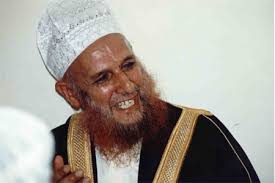
On the 26th of Rabī‘ al-Awwal, the Islamic world commemorates the passing of a revered spiritual figure, Khwaja Sirajuddin Naqshbandi. As a prominent Naqshbandi Sufi shaykh, his life and teachings have left an indelible mark on the hearts and minds of countless seekers of spiritual enlightenment. In this blog post, we will explore the life and legacy of Khwaja Sirajuddin Naqshbandi, shedding light on the profound impact of his teachings on the Sufi tradition.
Read More: Fatimah bint Musa (RA) Life & Legacy | 10–12 Rabi al-Thani
Khwaja Sirajuddin Naqshbandi: A Brief Biography
Khwaja Sirajuddin Naqshbandi was born in the city of Bukhara, a historical center of Sufi scholarship and spirituality, during the 12th century. His family lineage traced back to the illustrious Naqshbandi order of Sufism, known for its emphasis on silent meditation (dhikr) and self-purification.
From a young age, Khwaja Sirajuddin showed an innate inclination toward spiritual pursuits. He devoted himself to rigorous study and contemplation, seeking knowledge from renowned scholars and spiritual mentors of his time. His deep understanding of both Islamic jurisprudence and the esoteric dimensions of spirituality allowed him to bridge the gap between traditional religious scholarship and the mysticism of Sufism.
The Naqshbandi Sufi Order
The Naqshbandi Sufi order, to which Khwaja Sirajuddin Naqshbandi belonged, is distinguished by its emphasis on silent meditation, self-observation, and the transmission of spiritual energy (barakah) from teacher to disciple. This order traces its spiritual lineage back to the Prophet Muhammad through a chain of spiritually realized leaders.
Khwaja Sirajuddin became a prominent figure within the Naqshbandi order due to his deep spiritual insights and his ability to guide seekers on their inward journey. He emphasized the importance of inner transformation, arguing that true spiritual progress required self-purification, detachment from worldly distractions, and constant remembrance of God.
Legacy of Spiritual Teachings
Khwaja Sirajuddin Naqshbandi’s teachings continue to resonate with Sufi practitioners and seekers of spiritual wisdom today. His emphasis on practical spirituality, centered on daily acts of devotion and mindfulness, serves as a timeless guide for individuals seeking a deeper connection with the Divine.
- Dhikr and Silent Meditation:Khwaja Sirajuddin encouraged his disciples to engage in regular dhikr (remembrance of God) and silent meditation. This practice allowed individuals to turn their attention inward, facilitating self-awareness and spiritual growth.
- Tawba (Repentance):He emphasized the importance of seeking God’s forgiveness through sincere repentance. In his view, acknowledging one’s shortcomings and seeking God’s mercy was an essential step on the spiritual path.
- Adab (Spiritual Etiquette):Khwaja Sirajuddin stressed the significance of adab, or spiritual etiquette, in interactions with both the Divine and fellow human beings. This included qualities like humility, patience, and kindness.
- Love for All, Hatred for None:Like many Sufi masters, Khwaja Sirajuddin promoted universal love and tolerance. He believed that a true Sufi should love all of God’s creation and harbor no hatred or prejudice.
Conclusion
Khwaja Sirajuddin Naqshbandi’s legacy as a Naqshbandi Sufi shaykh is a testament to the enduring power of spirituality and inner transformation. His teachings continue to inspire countless individuals on their spiritual journeys, regardless of their religious or cultural backgrounds. As we commemorate the 26th of Rabī‘ al-Awwal, let us remember Khwaja Sirajuddin’s profound wisdom and his unwavering commitment to the path of love, devotion, and spiritual enlightenment. His life serves as a beacon of hope and guidance for all who seek to draw closer to the Divine.
Read More: Abdul Qadir Gilani RA, Sufi Saint, 11 Rabi al-Thani, Islamic Spirituality, Qadiri Order
عنوان: خواجہ سراج الدین نقشبندی کی یاد: ایک نقشبندی صوفی شیخ کی روحانی میراث
تعارف
26 ربیع الاول کو عالم اسلام ایک قابل احترام روحانی شخصیت خواجہ سراج الدین نقشبندی کی رحلت کی یاد منا رہا ہے۔ ایک ممتاز نقشبندی صوفی شیخ کی حیثیت سے ان کی زندگی اور تعلیمات نے روحانی روشن خیالی کے لاتعداد متلاشیوں کے دل و دماغ پر انمٹ نقوش چھوڑے ہیں۔ اس بلاگ پوسٹ میں، ہم خواجہ سراج الدین نقشبندی کی زندگی اور میراث کا جائزہ لیں گے، صوفی روایت پر ان کی تعلیمات کے گہرے اثرات پر روشنی ڈالیں گے۔
خواجہ سراج الدین نقشبندی: مختصر سیرت
خواجہ سراج الدین نقشبندی 12ویں صدی کے دوران شہر بخارا میں پیدا ہوئے جو کہ صوفی علمی اور روحانیت کا ایک تاریخی مرکز ہے۔ اس کا خاندانی سلسلہ تصوف کے نمایاں نقشبندی ترتیب سے ملتا ہے، جو خاموش مراقبہ (ذکر) اور تزکیہ نفس پر زور دینے کے لیے جانا جاتا ہے۔
چھوٹی عمر سے ہی خواجہ سراج الدین نے روحانی مشاغل کی طرف فطری رجحان ظاہر کیا۔ اس نے اپنے وقت کے نامور علماء اور روحانی اساتذہ سے علم حاصل کرتے ہوئے سخت مطالعہ اور غور و فکر کے لیے خود کو وقف کر دیا۔ اسلامی فقہ اور روحانیت کی باطنی جہتوں دونوں کے بارے میں ان کی گہری تفہیم نے انہیں روایتی مذہبی اسکالرشپ اور تصوف کے تصوف کے درمیان خلیج کو ختم کرنے کی اجازت دی۔
نقشبندی صوفی حکم
نقشبندی صوفی حکم، جس سے خواجہ سراج الدین نقشبندی کا تعلق تھا، خاموش مراقبہ، خود مشاہدہ، اور روحانی توانائی (برکات) کی استاد سے شاگرد تک منتقلی پر زور دینے سے ممتاز ہے۔ یہ حکم روحانی طور پر محسوس ہونے والے رہنماؤں کی ایک زنجیر کے ذریعے اپنے روحانی نسب کا پتہ لگاتا ہے۔
خواجہ سراج الدین اپنی گہری روحانی بصیرت اور متلاشیوں کی باطنی سفر میں رہنمائی کرنے کی صلاحیت کی وجہ سے نقشبندی ترتیب میں ایک ممتاز شخصیت بن گئے۔ اس نے اندرونی تبدیلی کی اہمیت پر زور دیتے ہوئے کہا کہ حقیقی روحانی ترقی کے لیے تزکیہ نفس، دنیاوی خلفشار سے لاتعلقی اور خدا کی مسلسل یاد کی ضرورت ہے۔
روحانی تعلیمات کی میراث
خواجہ سراج الدین نقشبندی کی تعلیمات آج بھی صوفی پیروکاروں اور روحانی حکمت کے متلاشیوں کے ساتھ گونج رہی ہیں۔ عملی روحانیت پر اس کا زور، عقیدت اور ذہن سازی کے روزمرہ کے اعمال پر مرکوز، الہی کے ساتھ گہرا تعلق تلاش کرنے والے افراد کے لیے ایک لازوال رہنما کا کام کرتا ہے۔
ذکر اور خاموش مراقبہ: خواجہ سراج الدین نے اپنے شاگردوں کو باقاعدگی سے ذکر (خدا کی یاد) اور خاموش مراقبہ میں مشغول ہونے کی ترغیب دی۔ اس مشق نے افراد کو اپنی توجہ باطنی طرف موڑنے کی اجازت دی، خود آگاہی اور روحانی نشوونما میں سہولت فراہم کی۔
توبہ (توبہ): اس نے مخلصانہ توبہ کے ذریعے خدا سے معافی مانگنے کی اہمیت پر زور دیا۔ اس کے خیال میں اپنی کوتاہیوں کو تسلیم کرنا اور خدا کی رحمت کا طالب ہونا روحانی راہ پر ایک ضروری قدم تھا۔
ادب (روحانی آداب): خواجہ سراج الدین نے الہی اور ساتھی انسانوں دونوں کے ساتھ تعامل میں، ادب، یا روحانی آداب کی اہمیت پر زور دیا۔ اس میں عاجزی، تحمل اور مہربانی جیسی صفات شامل تھیں۔
سب کے لیے محبت، کسی سے نفرت: بہت سے صوفی استادوں کی طرح، خواجہ سراج الدین نے عالمگیر محبت اور رواداری کو فروغ دیا۔ ان کا ماننا تھا کہ ایک سچے صوفی کو خدا کی تمام مخلوقات سے محبت کرنی چاہیے اور اسے کسی قسم کی نفرت یا تعصب نہیں ہونا چاہیے۔
نتیجہ
ایک نقشبندی صوفی شیخ کے طور پر خواجہ سراج الدین نقشبندی کی میراث روحانیت اور اندرونی تبدیلی کی پائیدار طاقت کا ثبوت ہے۔ ان کی تعلیمات ان گنت افراد کو ان کے روحانی سفر پر ترغیب دیتی رہتی ہیں، چاہے ان کا مذہبی یا ثقافتی پس منظر کچھ بھی ہو۔ جب ہم 26 ربیع الاول کی یاد مناتے ہیں تو آئیے ہم خواجہ سراج الدین کی گہری حکمت اور محبت، عقیدت اور روحانی روشن خیالی کے راستے کے لیے ان کی غیر متزلزل وابستگی کو یاد کریں۔ اس کی زندگی ان تمام لوگوں کے لیے امید اور رہنمائی کی روشنی کا کام کرتی ہے جو الہی کے قریب جانے کی کوشش کرتے ہیں۔




English Maariful Quran Volume 4 by Mufti Muhammad Shafi Usmani (R.A.) – English Translation and Tafseer Book Cover
English Maariful Quran Volume 4 – Tafseer by Mufti Muhammad Shafi Usmani (R.A.)
Read more