
The Significance of 10th Muharram: Understanding Ashura
Introduction:
The 10th of Muharram, known as “Ashura” in Arabic, is a day of profound significance in the Islamic calendar. It holds a special place in the hearts of Muslims worldwide and carries deep historical, religious, and cultural importance. In this SEO-friendly blog, we will explore the significance of Ashura, delving into its historical events, religious observances, and its relevance in the lives of Muslims today.
Read More: The Battle of the Camel: Ali Ibn Abi Talib (RA) Triumphs on the 22nd Jamada ul Awwal
The Historical Significance of Ashura:
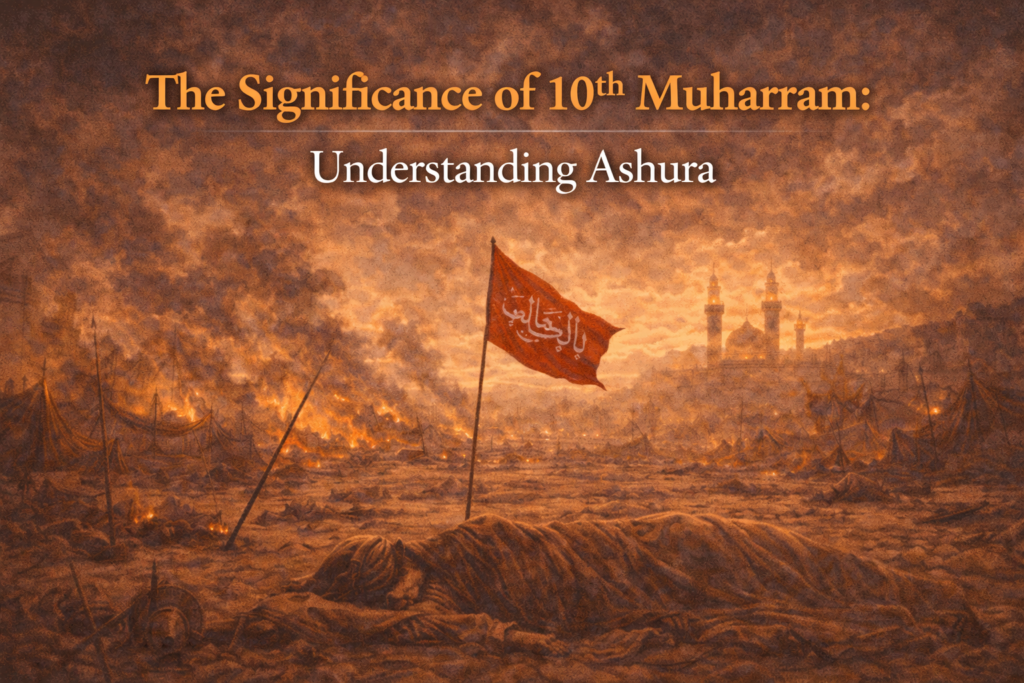
- The Battle of Karbala: Ashura marks the tragic culmination of the Battle of Karbala, which took place on the 10th of Muharram in the year 680 CE (61 AH). This battle is a central event in Islamic history, where the forces of Yazid ibn Muawiya, the Umayyad caliph, confronted Imam Hussain ibn Ali, the grandson of Prophet Muhammad (peace be upon him), and his small group of loyal companions.
- Imam Hussain’s Sacrifice: On Ashura, Imam Hussain (peace be upon him) and his companions faced extreme hardship and a lack of water in the scorching desert of Karbala. Despite the odds, they remained steadfast in their commitment to justice, truth, and resisting oppression, even at the cost of their lives.
- Universal Message: The events of Ashura resonate beyond religious boundaries, serving as a symbol of the universal struggle against tyranny, oppression, and the unwavering commitment to principles of justice and righteousness.
Religious Observances and Rituals:
- Fasting: Many Muslims observe fasting on the 10th of Muharram to commemorate Ashura. This practice may involve fasting for the entire day or observing a partial fast.
- Majalis (Gatherings): Majalis, or gatherings, are organized where speakers recount the events of Karbala, the sacrifices of Imam Hussain and his companions, and the lessons derived from these events.
- Matam (Mourning): In some communities, mourners participate in matam, a physical expression of grief and sorrow for the suffering of Imam Hussain and his companions. This can include chest-beating or flagellation, although practices can vary greatly.
- Charity and Acts of Kindness: Acts of charity and kindness are highly encouraged on Ashura. Muslims use this day as an opportunity to help those in need, emphasizing the values of compassion and generosity.
The Message and Lessons of Ashura:
- Resistance Against Injustice: Ashura exemplifies the courageous stand of Imam Hussain and his companions against oppression and tyranny. Their unwavering commitment to justice continues to inspire people worldwide to resist injustice in all its forms.
- Sacrifice and Devotion: Imam Hussain’s sacrifice at Karbala illustrates the importance of selflessness, devotion to principles, and the willingness to give everything for the sake of truth and righteousness.
- Unity and Compassion: Ashura brings communities together, fostering unity and compassion among Muslims. It serves as a reminder of the importance of helping those in need and caring for one another.
- Interfaith Understanding: Ashura provides an opportunity for interfaith dialogue and understanding, as people from different backgrounds come together to learn about its universal message of justice and sacrifice.
Conclusion:
In conclusion, Ashura, the 10th of Muharram, is a day of profound significance for Muslims worldwide. It commemorates the heroic stand of Imam Hussain and his companions at Karbala, serving as a timeless reminder of the values of justice, sacrifice, and resistance against oppression. The observance of Ashura through fasting, gatherings, acts of kindness, and charity allows Muslims to honor the legacy of Imam Hussain and the universal message he represents. Beyond religious boundaries, Ashura’s message resonates with people of all backgrounds, emphasizing the importance of standing up for what is right and just.
Read More: Martyrdom of Hasan Ibn Ali (RA): A Profound Legacy of Sacrifice
عنوان: عشرہ محرم کی اہمیت: عاشورہ کو سمجھنا
تعارف:
10 محرم، جسے عربی میں “عاشورہ” کہا جاتا ہے، اسلامی تقویم میں ایک گہری اہمیت کا دن ہے۔ یہ دنیا بھر کے مسلمانوں کے دلوں میں ایک خاص مقام رکھتا ہے اور اس کی گہری تاریخی، مذہبی اور ثقافتی اہمیت ہے۔ SEO دوستانہ اس بلاگ میں، ہم عاشورہ کی اہمیت کو دریافت کریں گے، اس کے تاریخی واقعات، مذہبی تہواروں اور آج کے مسلمانوں کی زندگیوں میں اس کی مطابقت کا جائزہ لیں گے۔
عاشورہ کی تاریخی اہمیت:
کربلا کی جنگ: عاشورہ کربلا کی جنگ کے المناک انجام کی نشاندہی کرتا ہے، جو 10 محرم 680 عیسوی (61 ہجری) کو ہوئی تھی۔ یہ معرکہ اسلامی تاریخ کا ایک مرکزی واقعہ ہے، جہاں اموی خلیفہ یزید بن معاویہ کی افواج کا مقابلہ رسول اللہ صلی اللہ علیہ وسلم کے نواسے امام حسین ابن علی اور ان کے وفادار ساتھیوں کے چھوٹے گروہ سے ہوا۔
امام حسین علیہ السلام کی قربانی: عاشورہ کے دن امام حسین علیہ السلام اور ان کے ساتھیوں کو کربلا کے دشت میں پانی کی کمی کا سامنا کرنا پڑا۔ مشکلات کے باوجود وہ اپنی جان کی قیمت پر بھی انصاف، سچائی اور ظلم کے خلاف اپنے عزم پر ثابت قدم رہے۔
آفاقی پیغام: عاشورہ کے واقعات مذہبی حدود سے باہر گونجتے ہیں، جو ظلم، جبر کے خلاف عالمی جدوجہد اور عدل و انصاف کے اصولوں کے لیے غیر متزلزل عزم کی علامت ہیں۔
مذہبی عبادات اور رسومات:
روزہ: بہت سے مسلمان عاشورہ کی یاد میں 10 محرم کو روزہ رکھتے ہیں۔ اس مشق میں پورے دن روزہ رکھنا یا جزوی روزہ رکھنا شامل ہو سکتا ہے۔
مجالس (اجتماعات): مجالس یا اجتماعات کا اہتمام کیا جاتا ہے جہاں مقررین کربلا کے واقعات، امام حسین اور ان کے ساتھیوں کی قربانیوں اور ان واقعات سے حاصل ہونے والے اسباق کو بیان کرتے ہیں۔
ماتم (ماتم): کچھ کمیونٹیز میں ماتم میں شریک ہوتے ہیں، جو کہ امام حسین اور ان کے ساتھیوں کے مصائب کے لیے غم اور غم کا جسمانی اظہار ہے۔ اس میں سینے کا دھڑکنا یا جھنڈا لگنا شامل ہو سکتا ہے، حالانکہ مشقیں بہت مختلف ہو سکتی ہیں۔
صدقہ اور احسان کے اعمال: عاشورہ کے موقع پر صدقہ اور احسان کی بہت زیادہ ترغیب دی جاتی ہے۔ مسلمان اس دن کو ضرورت مندوں کی مدد کے موقع کے طور پر استعمال کرتے ہیں، ہمدردی اور سخاوت کی اقدار پر زور دیتے ہیں۔
عاشورہ کا پیغام اور اسباق:
ناانصافی کے خلاف مزاحمت: عاشورہ ظلم و جبر کے خلاف امام حسین اور ان کے ساتھیوں کے جرأت مندانہ موقف کی مثال دیتا ہے۔ انصاف کے لیے ان کی غیر متزلزل وابستگی دنیا بھر کے لوگوں کو ہر طرح کی ناانصافی کے خلاف مزاحمت کرنے کی ترغیب دیتی ہے۔
قربانی اور عقیدت: کربلا میں امام حسین کی قربانی بے لوثی، اصولوں سے لگن اور حق و صداقت کی خاطر اپنا سب کچھ دینے کو تیار ہونے کی اہمیت کو واضح کرتی ہے۔
اتحاد اور ہمدردی: عاشورہ برادریوں کو اکٹھا کرتا ہے، مسلمانوں کے درمیان اتحاد اور ہمدردی کو فروغ دیتا ہے۔ یہ ضرورت مندوں کی مدد کرنے اور ایک دوسرے کی دیکھ بھال کرنے کی اہمیت کی یاد دہانی کے طور پر کام کرتا ہے۔
بین المذاہب تفہیم: عاشورا بین المذاہب مکالمے اور افہام و تفہیم کا موقع فراہم کرتا ہے، کیونکہ مختلف پس منظر کے لوگ اس کے انصاف اور قربانی کے عالمگیر پیغام کے بارے میں جاننے کے لیے اکٹھے ہوتے ہیں۔
نتیجہ:
آخر میں، عاشورہ، محرم کی 10 تاریخ، دنیا بھر کے مسلمانوں کے لیے ایک گہری اہمیت کا دن ہے۔ یہ کربلا میں امام حسین اور ان کے ساتھیوں کے بہادرانہ موقف کی یاد دلاتا ہے، جو انصاف، قربانی، اور ظلم کے خلاف مزاحمت کی اقدار کی لازوال یاد دہانی کے طور پر کام کرتا ہے۔ روزے، اجتماعات، حسن سلوک اور خیرات کے ذریعے عاشورہ کا انعقاد مسلمانوں کو امام حسین کی میراث اور اس عالمگیر پیغام کا احترام کرنے کی اجازت دیتا ہے جس کی وہ نمائندگی کرتے ہیں۔ مذہبی حدود سے باہر، عاشورہ کا پیغام تمام پس منظر کے لوگوں کے ساتھ گونجتا ہے، جو صحیح اور منصفانہ ہے اس کے لیے کھڑے ہونے کی اہمیت پر زور دیتا ہے۔




English Maariful Quran Volume 4 by Mufti Muhammad Shafi Usmani (R.A.) – English Translation and Tafseer Book Cover
English Maariful Quran Volume 4 – Tafseer by Mufti Muhammad Shafi Usmani (R.A.)
Read more