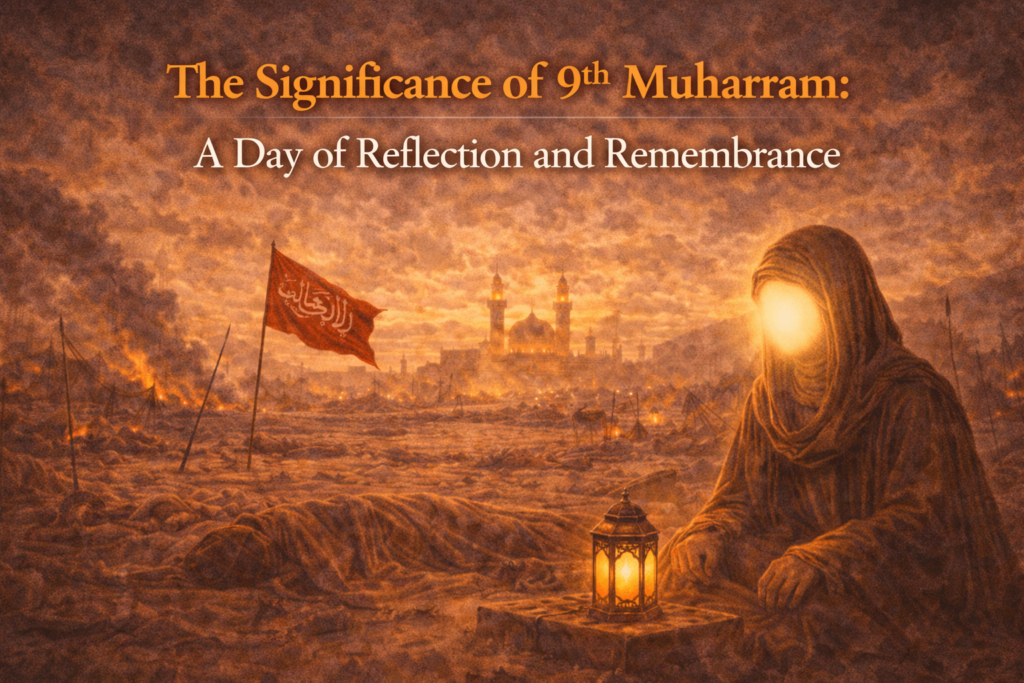
The Significance of 9th Muharram: A Day of Reflection and Remembrance
The Islamic calendar is replete with important dates and events that hold deep religious and historical significance. One such date is the 9th of Muharram, known as “Tasu’a” in Arabic. This day marks the second day of Muharram, the first month of the Islamic lunar calendar. While it may not be as widely recognized as Ashura (the 10th of Muharram), it carries its own unique importance and holds a special place in the hearts of Muslims. In this SEO-friendly blog, we will explore the significance of the 9th of Muharram, shedding light on its historical, religious, and cultural importance.
Read More: 10th Muharram: Significance and Meaning of Ashura
The Significance of 9th Muharram:
- A Prelude to Ashura: The 9th of Muharram serves as a prelude to the more widely known and commemorated Ashura on the 10th of Muharram. While Ashura holds its own significance, the events of the 9th are closely linked to the larger narrative of Karbala, making it a day of historical and religious importance.
- Historical Context: The significance of the 9th of Muharram is rooted in the tragic events of the Battle of Karbala in 680 CE (61 AH). It was on this day that the forces of Yazid ibn Muawiya, the Umayyad caliph, encircled the camp of Imam Hussain ibn Ali, the grandson of Prophet Muhammad (peace be upon him), and his companions in the scorching desert of Karbala, Iraq.
- Imam Hussain’s Preparations: On the 9th of Muharram, Imam Hussain (peace be upon him) and his followers made vital preparations for the impending battle. It was a day marked by prayer, reflection, and the realization of the enormity of the sacrifice they were about to make.
- Reflection and Remembrance: For Shia Muslims, the 9th of Muharram is a day of reflection and remembrance. It is a time to contemplate the principles of justice, sacrifice, and unwavering faith exemplified by Imam Hussain, who chose to stand against oppression and tyranny.
Commemoration and Rituals:
- Fasting: Some Muslims choose to fast on the 9th of Muharram as an act of devotion and solidarity with Imam Hussain and his companions, who were deprived of food and water during their ordeal in Karbala.
- Majalis (Gatherings): Majalis, or gatherings, are organized where speakers recount the events of Karbala and the principles of justice and sacrifice. These gatherings serve as a platform for believers to renew their commitment to these values.
- Matam (Mourning): In some communities, mourners participate in matam, a physical expression of grief and sorrow for the suffering of Imam Hussain and his companions. This may involve chest-beating or flagellation, although these practices can vary greatly in intensity and form.
- Charity and Acts of Kindness: Many Muslims seize the opportunity of this day to engage in acts of charity and kindness, following the example of Imam Hussain, who showed compassion and generosity even in the face of adversity.
The Universal Message of Karbala:
- Standing Against Injustice: The events of Karbala, which the 9th of Muharram is intimately connected to, resonate deeply with people of all faiths and backgrounds. It symbolizes the universal struggle against oppression and injustice.
- Sacrifice and Devotion: Imam Hussain’s unwavering commitment to principles of justice, truth, and sacrifice serves as an inspiration to individuals striving for a more just and compassionate world.
- Interfaith Dialogue: The commemoration of Imam Hussain’s sacrifice provides an opportunity for interfaith dialogue and understanding, fostering respect for diversity and shared values among different communities.
Conclusion:
In conclusion, the 9th of Muharram holds a unique place in the Islamic calendar as a day that marks the crucial preparations and sacrifices made by Imam Hussain and his companions in the face of adversity. It is a day of reflection, remembrance, and devotion, closely intertwined with the larger narrative of Karbala. The universal message of standing against injustice and upholding principles of sacrifice and devotion makes this day relevant and inspiring to people of all backgrounds. As Muslims around the world commemorate the 9th of Muharram, it serves as a reminder of the enduring legacy of Imam Hussain and the values he stood for.
عنوان: نویں محرم کی اہمیت: غور و فکر کا دن
تعارف:
اسلامی کیلنڈر اہم تاریخوں اور واقعات سے بھرا ہوا ہے جو گہری مذہبی اور تاریخی اہمیت رکھتے ہیں۔ ایسی ہی ایک تاریخ 9 محرم الحرام ہے جسے عربی میں “تسوع” کہا جاتا ہے۔ یہ دن اسلامی قمری تقویم کا پہلا مہینہ محرم کا دوسرا دن ہے۔ اگرچہ اسے عاشورہ (10 محرم الحرام) کی طرح وسیع پیمانے پر تسلیم نہیں کیا جاسکتا ہے، لیکن یہ اپنی منفرد اہمیت رکھتا ہے اور مسلمانوں کے دلوں میں ایک خاص مقام رکھتا ہے۔ اس SEO دوستانہ بلاگ میں، ہم 9ویں محرم کی اہمیت کو دریافت کریں گے، اس کی تاریخی، مذہبی اور ثقافتی اہمیت پر روشنی ڈالیں گے۔
9 محرم الحرام کی اہمیت:
عاشورہ کا پیش خیمہ: 9 محرم الحرام 10 محرم کو زیادہ مشہور اور یادگار عاشورہ کی پیش کش کے طور پر کام کرتا ہے۔ جب کہ عاشورہ کی اپنی اہمیت ہے، 9 تاریخ کے واقعات کربلا کی عظیم داستان سے گہرا تعلق رکھتے ہیں، جس کی وجہ سے یہ تاریخی اور مذہبی اہمیت کا دن ہے۔
تاریخی سیاق و سباق: 9 محرم کی اہمیت 680 عیسوی (61 ہجری) میں جنگ کربلا کے المناک واقعات سے جڑی ہوئی ہے۔ یہ وہ دن تھا جب اموی خلیفہ یزید بن معاویہ کی افواج نے عراق کے کربلا کے جھلستے ہوئے صحرا میں پیغمبر اسلام صلی اللہ علیہ وسلم کے نواسے امام حسین ابن علی اور ان کے ساتھیوں کے کیمپ کو گھیرے میں لے لیا۔
امام حسین علیہ السلام کی تیاریاں: 9 محرم الحرام کو امام حسین علیہ السلام اور ان کے پیروکاروں نے آنے والی جنگ کے لیے بھرپور تیاریاں کیں۔ یہ وہ دن تھا جس میں دعا، غور و فکر، اور اس قربانی کی عظمت کا احساس تھا جو وہ کرنے والے تھے۔
غور و فکر اور یاد: شیعہ مسلمانوں کے لیے 9 محرم الحرام فکر اور یاد کا دن ہے۔ یہ انصاف، قربانی اور اٹل ایمان کے اصولوں پر غور کرنے کا وقت ہے جس کی مثال امام حسین نے دی، جنہوں نے ظلم اور استبداد کے خلاف کھڑے ہونے کا انتخاب کیا۔
یادگار اور رسومات:
روزہ: کچھ مسلمان امام حسین اور ان کے ساتھیوں کے ساتھ عقیدت اور یکجہتی کے طور پر 9 محرم کو روزہ رکھنے کا انتخاب کرتے ہیں، جو کربلا میں اپنی آزمائش کے دوران کھانے اور پانی سے محروم ہو گئے تھے۔
مجالس (اجتماعات): مجالس، یا اجتماعات کا اہتمام کیا جاتا ہے جہاں مقررین کربلا کے واقعات اور انصاف اور قربانی کے اصولوں کو بیان کرتے ہیں۔ یہ اجتماعات مومنین کے لیے ان اقدار کے لیے اپنی وابستگی کی تجدید کے لیے ایک پلیٹ فارم کا کام کرتے ہیں۔
ماتم (ماتم): کچھ کمیونٹیز میں ماتم میں شریک ہوتے ہیں، جو کہ امام حسین اور ان کے ساتھیوں کے مصائب کے لیے غم اور غم کا جسمانی اظہار ہے۔ اس میں سینے کی دھڑکن یا جھنڈا لگنا شامل ہو سکتا ہے، حالانکہ یہ مشقیں شدت اور شکل میں بہت مختلف ہو سکتی ہیں۔
صدقہ اور احسان کے اعمال: بہت سے مسلمان اس دن کے موقع سے فائدہ اٹھاتے ہوئے خیرات اور احسان کے کاموں میں مشغول ہوتے ہیں، امام حسین کی مثال کی پیروی کرتے ہوئے جنہوں نے مصیبت کے وقت بھی ہمدردی اور سخاوت کا مظاہرہ کیا۔
کربلا کا آفاقی پیغام:
ناانصافی کے خلاف کھڑے ہونا: کربلا کے واقعات، جن سے 9 محرم کا گہرا تعلق ہے، تمام مذاہب اور پس منظر کے لوگوں کے ساتھ گہرا تعلق ہے۔ یہ ظلم اور ناانصافی کے خلاف عالمی جدوجہد کی علامت ہے۔
قربانی اور عقیدت: انصاف، سچائی اور قربانی کے اصولوں کے لیے امام حسین کی غیر متزلزل وابستگی ان افراد کے لیے ایک تحریک کا کام کرتی ہے جو زیادہ انصاف پسند اور ہمدرد دنیا کے لیے جدوجہد کر رہے ہیں۔
بین المذاہب مکالمہ: امام حسین کی قربانی کی یاد بین المذاہب مکالمے اور افہام و تفہیم کا موقع فراہم کرتی ہے، مختلف برادریوں کے درمیان تنوع اور مشترکہ اقدار کے احترام کو فروغ دیتی ہے۔
نتیجہ:
آخر میں، 9 محرم کو اسلامی کیلنڈر میں ایک منفرد مقام حاصل ہے جو کہ امام حسین اور ان کے ساتھیوں کی مصیبتوں کے دوران کی گئی اہم تیاریوں اور قربانیوں کی نشاندہی کرتا ہے۔ یہ عکاسی، یاد اور عقیدت کا دن ہے، جو کربلا کی عظیم داستان کے ساتھ گہرا جڑا ہوا ہے۔ ناانصافی کے خلاف کھڑے ہونے اور قربانی اور عقیدت کے اصولوں کو برقرار رکھنے کا آفاقی پیغام اس دن کو تمام پس منظر کے لوگوں کے لیے متعلقہ اور متاثر کن بناتا ہے۔ جیسا کہ دنیا بھر کے مسلمان 9 محرم کی یاد مناتے ہیں، یہ امام حسین کی پائیدار میراث اور ان اقدار کی یاد دہانی کے طور پر کام کرتا ہے جن کے وہ کھڑے تھے۔