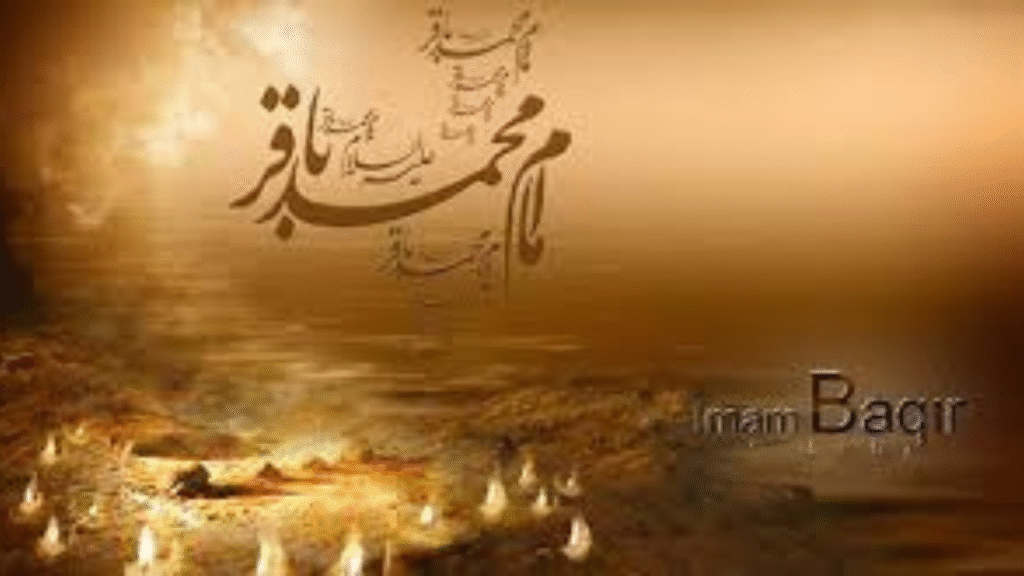
The Martyrdom of Muhammad al-Baqir: A Profound Chapter in Islamic History
Introduction
The history of Islam is adorned with the sacrifices of individuals who dedicated their lives to preserving and disseminating knowledge and righteousness. One such luminary is Muhammad al-Baqir, whose life and martyrdom offer profound insights into the values of knowledge, justice, and faith in Islamic tradition. In this blog post, we will delve into the life and martyrdom of Muhammad al-Baqir, shedding light on his contributions and the enduring lessons we can draw from his legacy.Muhammad al-Baqir: An Early Life of Excellence
Muhammad al-Baqir was born in 676 CE in the city of Medina, a significant city in Islamic history. He was the son of Imam Ali ibn Husayn, also known as Imam Sajjad (peace be upon them), making him the great-grandson of Imam Ali (RA) and Fatimah (RA), the daughter of the Prophet Muhammad (peace be upon him). From a young age, Muhammad al-Baqir displayed remarkable intelligence and piety, earning the epithet “al-Baqir,” which means “the one who splits open knowledge.”Contributions to Islamic Scholarship
Muhammad al-Baqir’s devotion to knowledge and religion led him to become a prominent Islamic scholar and jurist. He played a pivotal role in consolidating and disseminating Islamic teachings, particularly through his contributions to hadith literature and Islamic jurisprudence. His collection of hadith, known as “Al-Baqir,” is considered one of the earliest and most authentic compilations of the sayings and actions of the Prophet Muhammad (peace be upon him). His scholarly endeavors contributed significantly to the development of Islamic jurisprudence, known as “fiqh,” and the Shia tradition.Theological and Spiritual Leadership
Beyond his scholarly achievements, Muhammad al-Baqir was recognized as an Imam by Shia Muslims. Imams hold a revered position in Shia Islam as spiritual and religious leaders who guide the community in matters of faith and practice. His leadership provided spiritual guidance and stability during tumultuous times in Islamic history, strengthening the faith of his followers.The Umayyad Caliphate and Persecution
Muhammad al-Baqir’s life unfolded during the Umayyad Caliphate, a period marked by political oppression and religious persecution against those who sought to uphold the true teachings of Islam. The Umayyad rulers were threatened by the growing influence of the Imams and their followers, leading to increased scrutiny and persecution of the Ahl al-Bayt (the family of the Prophet).Martyrdom and Legacy
The circumstances surrounding Muhammad al-Baqir’s martyrdom are shrouded in historical complexity. Some accounts suggest that he was poisoned, while others attribute his death to harsh imprisonment and torture under the Umayyad regime. Regardless of the specific circumstances, his martyrdom is a testament to the sacrifices made by those who stood steadfast in the face of tyranny to protect the true teachings of Islam.Lessons from Muhammad al-Baqir’s Life
- Pursuit of Knowledge: Muhammad al-Baqir’s unwavering commitment to knowledge underscores the importance of education and scholarship in Islam. His emphasis on preserving and disseminating authentic knowledge continues to inspire seekers of truth and wisdom.
- Resistance against Tyranny: His martyrdom serves as a reminder of the importance of resisting oppression and injustice, even in the face of adversity. The courage displayed by Muhammad al-Baqir and other Imams sets a precedent for standing up for justice.
- Spiritual Leadership: The role of Imams in guiding and nurturing the spiritual growth of their communities remains a cornerstone of Shia Islam. Muhammad al-Baqir’s leadership exemplifies the importance of religious guidance and mentorship.
Conclusion
The life and martyrdom of Muhammad al-Baqir stand as a testament to the enduring values of knowledge, justice, and faith in Islam. His contributions to scholarship and spirituality continue to inspire Muslims worldwide, reminding us of the importance of upholding these values in our own lives. As we reflect on his legacy, may we find inspiration in his dedication to the pursuit of knowledge and his unwavering commitment to the principles of justice and righteousness.عنوان: محمد الباقر کی شہادت: اسلامی تاریخ کا ایک گہرا باب
تعارف
اسلام کی تاریخ ان شخصیات کی قربانیوں سے مزین ہے جنہوں نے اپنی زندگیاں علم و صداقت کے تحفظ اور پھیلانے کے لیے وقف کر دیں۔ ایسے ہی ایک نور محمد الباقر ہیں جن کی زندگی اور شہادت اسلامی روایت میں علم، انصاف اور ایمان کی قدروں کے بارے میں گہری بصیرت پیش کرتی ہے۔ اس بلاگ پوسٹ میں، ہم محمد الباقر کی زندگی اور شہادت کا جائزہ لیں گے، ان کی شراکت پر روشنی ڈالیں گے اور ان کی وراثت سے ہم لازوال اسباق حاصل کر سکتے ہیں۔محمد الباقر: ایک ابتدائی زندگی
محمد الباقر 676 عیسوی میں مدینہ کے شہر میں پیدا ہوئے، جو اسلامی تاریخ کا ایک اہم شہر ہے۔ وہ امام علی ابن حسین کے بیٹے تھے، جنہیں امام سجاد علیہ السلام بھی کہا جاتا ہے، انہیں امام علی رضی اللہ عنہ اور حضرت فاطمہ رضی اللہ عنہا، جو رسول اللہ صلی اللہ علیہ وسلم کی بیٹی ہیں، کا نواسہ بنا۔ وہ)۔ چھوٹی عمر سے ہی، محمد الباقر نے شاندار ذہانت اور تقویٰ کا مظاہرہ کیا، جس نے “الباقر” کا لقب حاصل کیا، جس کا مطلب ہے “کھلے علم کو تقسیم کرنے والا”۔اسلامی اسکالرشپ میں شراکت
محمد الباقر کی علم اور مذہب سے لگن نے انہیں ایک ممتاز اسلامی اسکالر اور فقیہ بنایا۔ انہوں نے اسلامی تعلیمات کو مستحکم کرنے اور پھیلانے میں ایک اہم کردار ادا کیا، خاص طور پر حدیث ادب اور اسلامی فقہ میں اپنی شراکت کے ذریعے۔ ان کا احادیث کا مجموعہ، جسے “الباقر” کہا جاتا ہے، کو پیغمبر اسلام صلی اللہ علیہ وسلم کے اقوال و افعال کی ابتدائی اور مستند تالیفات میں سے ایک سمجھا جاتا ہے۔ ان کی علمی کوششوں نے اسلامی فقہ کی ترقی میں اہم کردار ادا کیا، جسے “فقہ” اور شیعہ روایت کے نام سے جانا جاتا ہے۔مذہبی اور روحانی قیادت
اپنی علمی کامیابیوں سے ہٹ کر، محمد الباقر کو شیعہ مسلمانوں نے ایک امام کے طور پر پہچانا۔ امام شیعہ اسلام میں روحانی اور مذہبی پیشواؤں کے طور پر ایک قابل احترام مقام رکھتے ہیں جو عقیدے اور عمل کے معاملات میں کمیونٹی کی رہنمائی کرتے ہیں۔ ان کی قیادت نے اسلامی تاریخ کے ہنگامہ خیز دور میں روحانی رہنمائی اور استحکام فراہم کیا، جس سے ان کے پیروکاروں کے ایمان کو تقویت ملی۔اموی خلافت اور ظلم و ستم
محمد الباقر کی زندگی اموی خلافت کے دوران منظر عام پر آئی، ایک ایسا دور جو اسلام کی حقیقی تعلیمات کو برقرار رکھنے کی کوشش کرنے والوں کے خلاف سیاسی جبر اور مذہبی ظلم و ستم کا نشانہ بنا۔ اموی حکمرانوں کو ائمہ اور ان کے پیروکاروں کے بڑھتے ہوئے اثر و رسوخ سے خطرہ تھا، جس کی وجہ سے اہل بیت (پیغمبر کے خاندان) کی جانچ اور ایذا رسانی میں اضافہ ہوا۔شہادت اور میراث
محمد باقر کی شہادت کے ارد گرد کے حالات تاریخی پیچیدگیوں میں ڈوبے ہوئے ہیں۔ کچھ اکاؤنٹس بتاتے ہیں کہ اسے زہر دیا گیا تھا، جب کہ دوسرے اس کی موت کو اموی حکومت کے تحت سخت قید اور اذیتیں قرار دیتے ہیں۔ مخصوص حالات سے قطع نظر ان کی شہادت ان لوگوں کی قربانیوں کا منہ بولتا ثبوت ہے جو اسلام کی حقیقی تعلیمات کی حفاظت کے لیے ظلم کے سامنے ثابت قدم رہے۔محمد الباقر کی زندگی سے اسباق
علم کا حصول: محمد الباقر کی علم سے غیر متزلزل وابستگی اسلام میں تعلیم اور اسکالرشپ کی اہمیت کو واضح کرتی ہے۔ مستند علم کو محفوظ کرنے اور پھیلانے پر ان کا زور سچائی اور حکمت کے متلاشیوں کو ابھارتا رہتا ہے۔ ظلم کے خلاف مزاحمت: ان کی شہادت مصیبت کے وقت بھی ظلم اور ناانصافی کے خلاف مزاحمت کی اہمیت کی یاد دہانی کا کام کرتی ہے۔ محمد الباقر اور دیگر ائمہ نے جس جرات کا مظاہرہ کیا وہ انصاف کے لیے کھڑے ہونے کی ایک مثال ہے۔ روحانی قیادت: اپنی برادریوں کی روحانی ترقی کی رہنمائی اور پرورش میں اماموں کا کردار شیعہ اسلام کا بنیادی ستون ہے۔ محمد الباقر کی قیادت مذہبی رہنمائی اور رہنمائی کی اہمیت کو واضح کرتی ہے۔نتیجہ
محمد الباقر کی زندگی اور شہادت اسلام میں علم، انصاف اور ایمان کی پائیدار اقدار کے ثبوت کے طور پر کھڑی ہے۔ علمی اور روحانیت میں ان کی شراکتیں دنیا بھر کے مسلمانوں کو متاثر کرتی رہتی ہیں، جو ہمیں اپنی زندگیوں میں ان اقدار کو برقرار رکھنے کی اہمیت کی یاد دلاتی ہیں۔ جیسا کہ ہم اس کی میراث پر غور کرتے ہیں، کیا ہمیں علم کے حصول کے لیے اس کی لگن اور انصاف اور راستبازی کے اصولوں کے لیے ان کی غیر متزلزل وابستگی میں الہام مل سکتا ہے۔Get started
Related
Related posts

May 11, 2026
April 22, 2026